


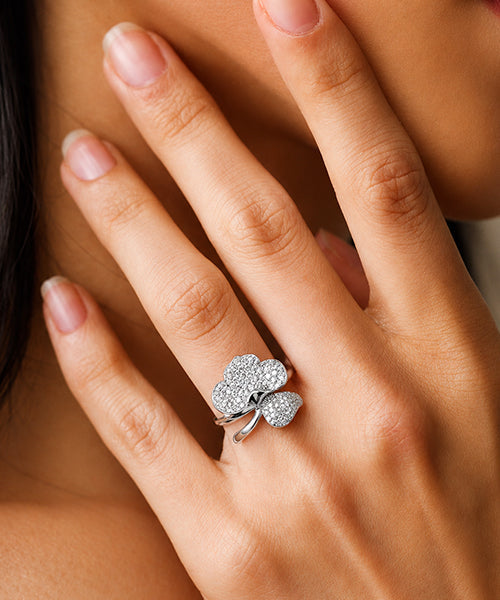


Most people who wear artificial rings regularly hit the same point at some point. The ring you liked most has gone dull, or the stone clouded over, or there's a green tinge on the metal that won't come off with a cloth. What makes it frustrating is that it can happen to a ring that's your favourite piece among all the other chains and bracelets and you took good care of it. The reason this usually happens is not only improper cleaning but also how well you store and wear these rings.
At Zeesy, we have enough experience with artificial jewellery in Pakistan, so we have made this guide that covers the actual causes. It goes through reasons like which cleaning method works for different stone types, what damages rings under the guise of cleaning them, and a few things about care that some guides skip.
Quick Facts
The green discolouration from artificial rings is copper oxide and is harmless to skin, unlike common misconceptions. How fast a ring tarnishes depends significantly on your individual skin. There are different types of plating depending on the thickness of the layer, which decides the jewellery's longevity. Different stone types need different cleaning techniques. Putting rings on after skincare and perfume is the most effective prevention habit, making the biggest difference.
Why Artificial Rings Tarnish, and Why It Happens Differently for Everyone
One thing that makes a big difference is how thick the plating is. Many artificial rings have a layer of gold or silver over a copper or brass base. Once that outer layer starts wearing away, the metal underneath can touch your skin. And all the sweat or other things react with the material and leave that green look and make the jewellery dull. At Zeesy, we use thicker plating that lasts longer.
Have you ever noticed you're wearing the same ring as your sister but yours tarnishes much faster? That's pretty common. Your skin, how much you sweat and even your pH level can all affect how quickly jewellery starts to tarnish.
Sweat in Pakistan's heat is a bigger culprit too compared to places with cooler climates because you're producing more of it consistently. Rings worn through a Karachi summer on someone who sweats more will tarnish faster than the same ring worn in winter by the same person. There isn't much you can do about skin pH, but knowing it's a factor helps you make better decisions about which rings to wear daily versus occasionally.
What's Breaking Down the Plating
Skincare products are one of the bigger culprits, and increasingly so. Chemical exfoliants containing glycolic acid, lactic acid, and salicylic acid have become very common in Pakistani skincare routines. These are effective on skin and damaging to metal plating. If you're using a chemical exfoliant on your hands or a moisturiser with AHA or BHA ingredients and putting rings on before or during that routine, you're regularly exposing the plating to mild acid.
Perfume contains alcohols that strip plating with repeated contact. Sanitiser does too, and it became a daily habit for most people, especially after Covid. Water is something that we all know to avoid, but sometimes when washing or using skincare it just seeps in. So the best way is to always wear accessories at the end, when everything else like makeup is done.
Cleaning by Stone Type
Cleaning artificial jewellery depends heavily on the type of stone used, as each material reacts differently to moisture, temperature, and cleaning agents. For zirconia and crystal stones, a gentle approach works best use a soft toothbrush with mild dish soap and lukewarm water, while avoiding hot water and ultrasonic cleaners that can loosen settings or cause damage. Glass stones can also be cleaned with lukewarm water, mild soap, and a soft brush, but they should be kept away from hot water or sudden temperature changes, which may lead to cracking. Resin and acrylic stones require even more care; a damp soft cloth with minimal soap and a quick rinse is sufficient, while alcohol, acid-based products, and brushing should be avoided as they can dull or scratch the surface. Enamel details are the most delicate, so they should only be wiped gently with a damp cloth around the enamel area scrubbing, soaking, or using any brush directly on enamel can easily cause chipping or fading.
Some things are the same for every stone type, like no hot water or ultrasonic cleaners currently trending on social media. Ultrasonic vibrations loosen adhesive settings and cause stones to fall out regardless of stone type. And don't end up soaking them more than 30 minutes.
Cleaning the Metal
For routine cleaning, just use an old toothbrush with mild dish soap and lukewarm water. But keep in mind that dish soaps are not degreasers or special antibacterial formulas. Also, don't just scrub away as you like instead, go in small circular motions. Rinse quickly and dry right away. Air drying leaves moisture on the metal for too long, which is what you're trying to avoid.
Now comes the stage where tarnish is clearly visible and the plating has started to wear off, which can happen more often if you regularly wear multiple rings due to increased friction. In this case, you can grab some baking soda, make a paste, and gently apply it with a soft cloth. This helps remove oxidation, but only if you’re light-handed. This specific hack should be used only on oxidised areas, not on perfectly fine sections, as it can strip away the remaining plating if overused.
What Not to Use
Toothpaste is the most commonly recommended DIY cleaning method and one of the most damaging for artificial rings specifically. This idea was created because it can work on solid silver but what most people don't know is it doesn't work on plated artificial rings. The same DIY idea can remove the plating itself, exposing the metal underneath and making it tarnish way faster.
Vinegar is acidic and acid with metal is never a good idea. It's enough to strip plating and damage resin and acrylic stones.
Clear nail polish needs a longer explanation because it seems logical. A coat of clear polish on the inner band does reduce direct skin contact and can slow tarnish short-term. The problem is once it chips, which happens within weeks of regular wear, it traps moisture in the chipped areas. Trapped moisture against metal accelerates tarnish in those spots faster than no barrier at all would. If you use this method, reapply before it chips rather than after.
Should You Clean, Re-plate, or Replace? A Decision Guide
When assessing the condition of a ring, the right approach depends on the specific issue you’re seeing. If the surface looks dull but there’s no green discolouration, a simple clean with mild soap and a toothbrush is usually enough to restore its shine. If the stone appears cloudy while the metal is still in good condition, focus on targeted cleaning use a damp cloth or a brief soak to bring back clarity. When you notice green marks on the metal but the plating is mostly intact, cleaning the ring and improving how you store and wear it can help prevent further damage. However, if the green discolouration returns quickly after cleaning, it’s a sign that the plating has worn through in that area, and re-plating may be worth considering. For inexpensive rings showing green on the metal, replacement is often more practical since re-plating may cost more than the ring itself. But if the ring holds sentimental or higher value, it’s best to take it to a jeweller for professional re-plating to preserve it properly.
Re-plating through a professional jeweller in Karachi or Lahore is worth considering for a ring you genuinely like. The cost depends on the jeweller and complexity of the ring, but for a piece you wear regularly it extends the life considerably. Home electroplating kits are also available in Pakistan through electronics suppliers and allow you to re-plate jewellery yourself. The results take practice to get right but for people who go through rings regularly it's a practical option worth knowing about.
Storage
Rings stored loosely in a tray alongside other jewellery scratch against each other and harder surfaces whenever anything is moved. Those scratches create gaps in the plating that become tarnish starting points. Storing each ring separately in a small fabric pouch or a divided jewellery box where pieces can't contact each other makes a real difference.
Bathrooms are the worst place to store artificial jewellery, which is where most people keep theirs. The ambient humidity from showers affects the metal even when rings aren't being worn. A bedroom drawer away from sunlight is more stable. Small anti-tarnish strips placed in storage absorb airborne moisture passively and are particularly useful through Pakistan's humid months.
Managing Tarnish Seasonally in Pakistan
Almost no jewellery guide addresses this, but it's relevant here. The pre-monsoon and monsoon months combine heat, high humidity, and increased sweating in a way that accelerates tarnish faster than winter wear does on the same person with the same care routine. Rings that hold up well from October through March can visibly deteriorate faster between May and August.
Rotate rings more frequently in summer so no single piece is worn continuously. Clean them roughly weekly rather than every few weeks because sweat and humidity build up faster. Store rings with anti-tarnish strips during weeks you're not wearing them. If there are rings you particularly care about, summer is the time to give them a rest.
A Few Notes on Zeesy Rings Specifically
The ring size adjuster available on the site is practically useful beyond just comfort, especially when wearing a ring on the index finger where movement is more noticeable. A ring that fits properly stays in one place, while one that’s slightly too large rotates constantly. That friction wears the plating down unevenly, creating spots that tarnish faster than the rest of the ring. Getting the fit right genuinely extends the ring’s life.
Rotating between rings rather than wearing the same one every day also helps. Each piece gets time to dry fully between wears and the cumulative exposure to friction and moisture is reduced across all of them.
People Also Ask
Does skin type affect how fast rings tarnish?
Yes, significantly. More acidic skin accelerates copper oxidation faster than neutral skin. People who find they go through rings quickly are often dealing with skin chemistry rather than ring quality. Keeping rings very dry and reducing direct contact time through proper fit and rotation helps.
Is clear nail polish worth applying to a ring?
Short-term yes, but reapply before it chips rather than after. If you don't, the chipped polish can trap moisture and will be of no good.
How often should I clean my rings?
Every few weeks in cooler months if worn regularly. But for summer, wipe it after taking it off and whenever it's looking a bit dull.
Can I wear artificial rings in the shower?
Better not to. If a ring gets wet, dry it immediately and thoroughly rather than leaving it damp.
How do I know if a ring's plating is thick enough to last?
You can't measure it at home. Buying from brands with consistent quality like Zeesy and checking for an even finish across the ring before buying are the best available indicators.